SPDR Gold Shares (GLD): What Investors Should Know About the World's Largest Gold ETF
This article was created with the help of artificial intelligence.
Key Takeaways
- SPDR Gold Shares is the world's largest exchange-traded gold fund and is managed by State Street Global Advisors.
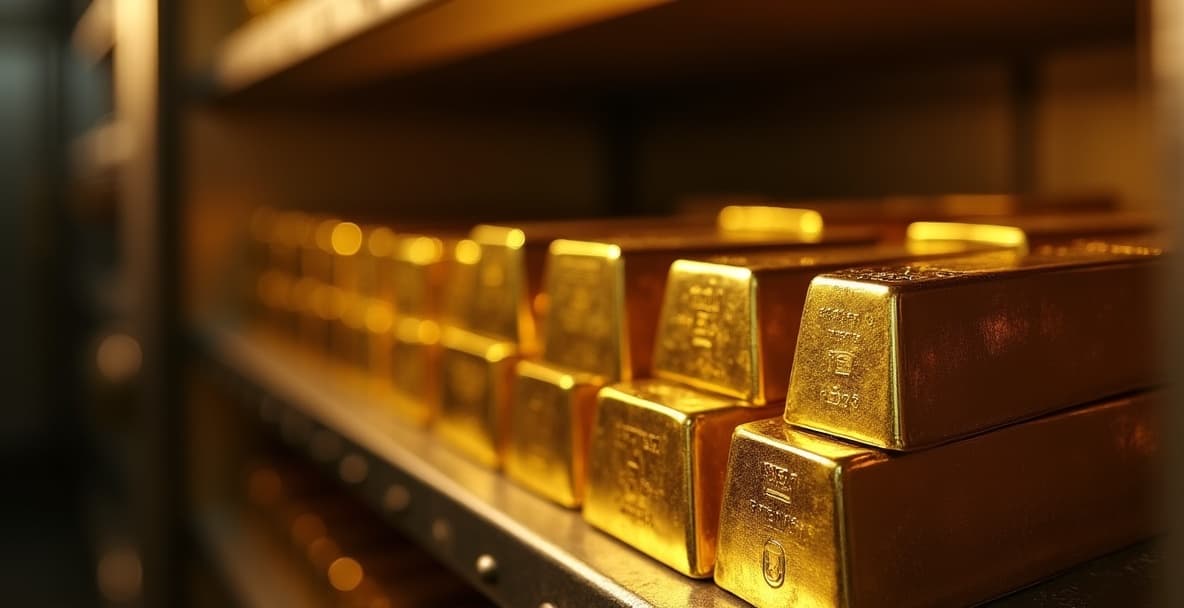
- Each fund share is fully backed by physical gold held by HSBC Bank as custodian in vaults.
- The annual management fee is 0.40 percent and is financed by selling gold quantities from fund assets.
- Gold in GLD is taxed as capital income in Germany and Austria, while physical gold can be sold tax-free after a one-year holding period.
- GLD offers greater flexibility and tradability compared to physical gold, but does not incur storage and insurance costs for individual investors.
SPDR Gold Shares (GLD) is the world's largest exchange-traded gold fund and enables investors to access the gold price without physical ownership of the precious metal. An exchange-traded fund (ETF) is a security traded on an exchange that tracks an index, commodity, or basket of assets.
Structure and Physical Gold Backing
SPDR Gold Shares is managed by State Street Global Advisors and is listed on NYSE Arca. Each fund share is backed by physical gold held in vaults. This structure distinguishes GLD from synthetic gold ETFs, which replicate the gold price via derivatives.
The underlying gold is held by HSBC Bank as custodian. By purchasing GLD shares, investors do not acquire direct ownership rights to the physical gold, but rather shares in the fund's trust assets. The amount of deposited gold is adjusted daily to reflect inflows and outflows as well as applicable management fees.
Cost Structure and Fees
SPDR Gold Shares' management fee is 0.40 percent per year. This Total Expense Ratio (TER) is deducted from fund assets by regularly selling small amounts of gold. For investors, this means the ETF's share price lags slightly behind pure gold price development.
Additional costs may arise through trading fees when buying and selling shares, which vary depending on the broker. For Swiss investors, it should be noted that GLD is quoted in US dollars, so there are additional currency risks.
Use in Portfolio Diversification
Gold is traditionally regarded as a hedge against inflation and currency fluctuations. SPDR Gold Shares provides investors with the ability to incorporate these properties into a diversified portfolio without having to store, insure, or transport physical gold.
Institutional and private investors often use GLD as a tactical allocation during periods of economic uncertainty. The fund's liquidity is high since it ranks among the most actively traded ETFs worldwide. This enables quick entry and exit at tight bid-ask spreads.
Tax Treatment in the DACH Region
The tax treatment of GLD varies depending on the country of residence. In Germany and Austria, gains from the sale of ETF shares are taxed as capital income. In Switzerland, capital gains on GLD for private investors are subject to wealth tax, but are generally tax-free as long as there is no professional securities trading.
Unlike physical gold, which can be sold tax-free in Germany after a holding period of one year, GLD as a security is subject to different rules. Investors should clarify the tax implications before investing with a tax advisor.
Alternatives and Comparison to Physical Gold
In addition to SPDR Gold Shares, other gold ETFs such as iShares Gold Trust (IAU) or Xetra-Gold exist, which differ in cost structure and design. For example, Xetra-Gold offers German investors a delivery right for physical gold, which can provide tax advantages.
Purchasing physical gold in the form of bars or coins enables direct ownership, but incurs costs for storage and insurance. GLD, by contrast, offers greater flexibility and tradability, but forgoes the tangible element and full control over the precious metal.
Market Position and Fund Volume
Since its launch in 2004, SPDR Gold Shares has been one of the largest ETFs globally by assets under management. Fund volume fluctuates depending on the gold price and inflows or outflows. During periods of rising gold prices or economic uncertainty, the fund typically records increased inflows.
The size of the fund contributes to high liquidity and ensures tight spreads between buy and sell prices. This liquidity makes GLD attractive to both long-term investors and short-term traders.