SPDR Gold Shares (GLD): How the World's Largest Gold ETF Works
This article was created with the help of artificial intelligence.
Key Takeaways
- SPDR Gold Shares (GLD) is an exchange-traded fund that holds physical gold in the form of London Good Delivery Bars stored in vaults.
- One GLD share corresponds to approximately one-tenth of a troy ounce of gold and is traded in US dollars on NYSE Arca.
- The ETF's annual management fee (TER) is 0.40 percent and is financed by selling small amounts of gold from the fund's assets.
- For DACH investors, there is currency risk due to the US dollar denomination, while European gold ETFs denominated in euros reduce exchange rate risk.
- Unlike synthetic gold ETFs, GLD actually holds physical gold and thus avoids counterparty risks from derivative transactions.
The SPDR Gold Shares (GLD) is an exchange-traded fund (ETF) that holds physical gold and trades on the New York Stock Exchange (NYSE Arca). An ETF is an investment fund whose shares can be continuously bought and sold on the stock exchange like stocks. The GLD tracks the performance of the gold price by holding physical gold bars in vaults.
How the Physically Backed Gold ETF Works
SPDR Gold Shares was launched in November 2004 and is considered one of the first and largest gold ETFs worldwide. Each share of the ETF represents a fraction of a troy ounce of gold – specifically, one GLD share corresponds to approximately one-tenth of a troy ounce (31.1 grams) of gold. The actual amount of gold per share fluctuates slightly due to management costs and fees.
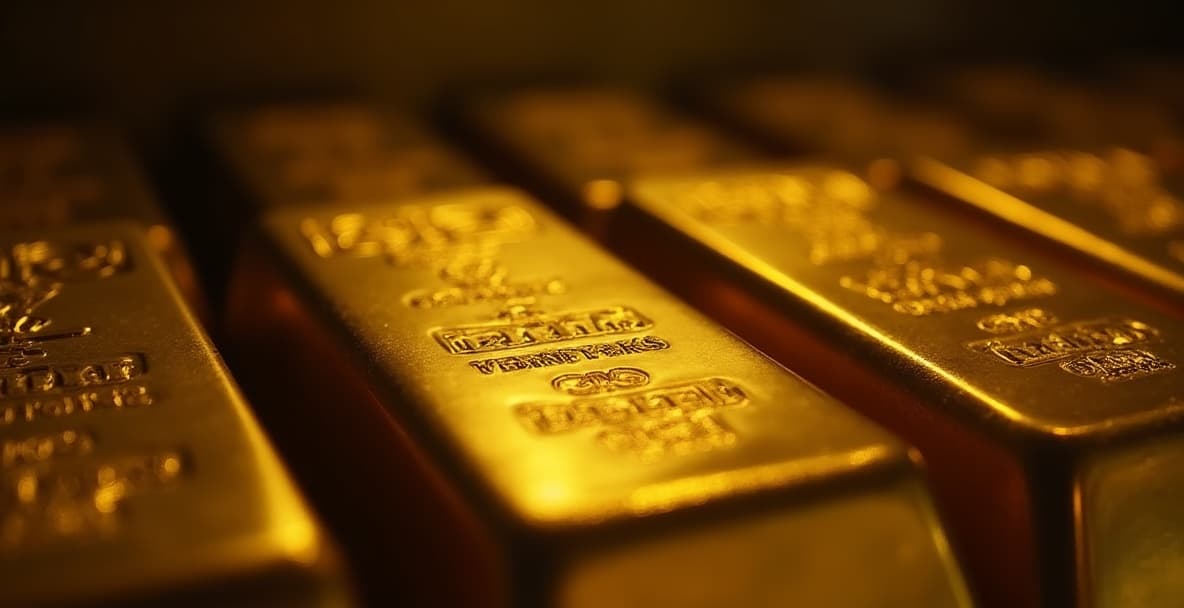
The physical gold is stored in the form of London Good Delivery Bars – standardized gold bars weighing between 350 and 430 troy ounces with a minimum purity of 99.5 percent. The gold is held in custody by HSBC Bank in London as well as in other authorized vaults.
Access to the Gold Market for Retail Investors
For investors in the DACH region, GLD provides direct access to the gold price without the need to buy, insure, or store physical gold. The ETF is traded in US dollars, which means currency risk for Swiss, German, and Austrian investors: in addition to gold price movements, the exchange rate between the US dollar and Swiss franc or euro also affects returns.
Trading takes place through regular securities accounts at banks and online brokers. Investors can buy or sell shares at any time during US trading hours. The annual management fee (Total Expense Ratio, TER) is 0.40 percent and is financed on an ongoing basis by selling small amounts of gold from the fund's assets.
Distinction from Gold Mining Stocks and Synthetic ETFs
Unlike gold mining stocks, GLD participates nearly one-to-one in gold price movements without the operational risks of individual mining companies. Unlike synthetic gold ETFs that track the gold price through derivatives or swap transactions, SPDR Gold Shares actually holds physical gold – an advantage in hedging against counterparty risks.
GLD taxation in the DACH region varies depending on country of residence. In Germany, gains from the sale of ETF shares are subject to capital gains tax; in Switzerland, they are tax-free for private investors, provided there are no commercial trading activities. In Austria, capital gains tax applies. Investors should clarify tax details with a specialist advisor.
Alternatives in the European Market
In addition to the US-domiciled GLD, Europe has its own gold ETFs denominated in euros, which reduce currency risk for DACH investors. These include products from providers such as iShares, Invesco, or Xetra-Gold. The latter also offers the possibility of physical delivery of gold from certain minimum quantities.
SPDR Gold Shares remains a frequently used option for institutional and private investors worldwide due to its liquidity and high trading volume. The choice between US- and Europe-domiciled gold ETFs depends on individual preferences regarding currency risk, trading venue, and tax treatment.