Iran Conflict: Oil Prices and Commodity Markets Face Escalation – What Investors Need to Know Now
This article was created with the help of artificial intelligence.
North Sea Brent crude rose to as high as 13 percent in early March 2026, reaching 82.37 dollars per barrel – the highest level since January 2025. The trigger was the blockade of the Strait of Hormuz, the world's most important oil trading route, following an attack by the USA and Israel on Iran. US light crude WTI temporarily reached 75.33 dollars, the highest level since June 2025.
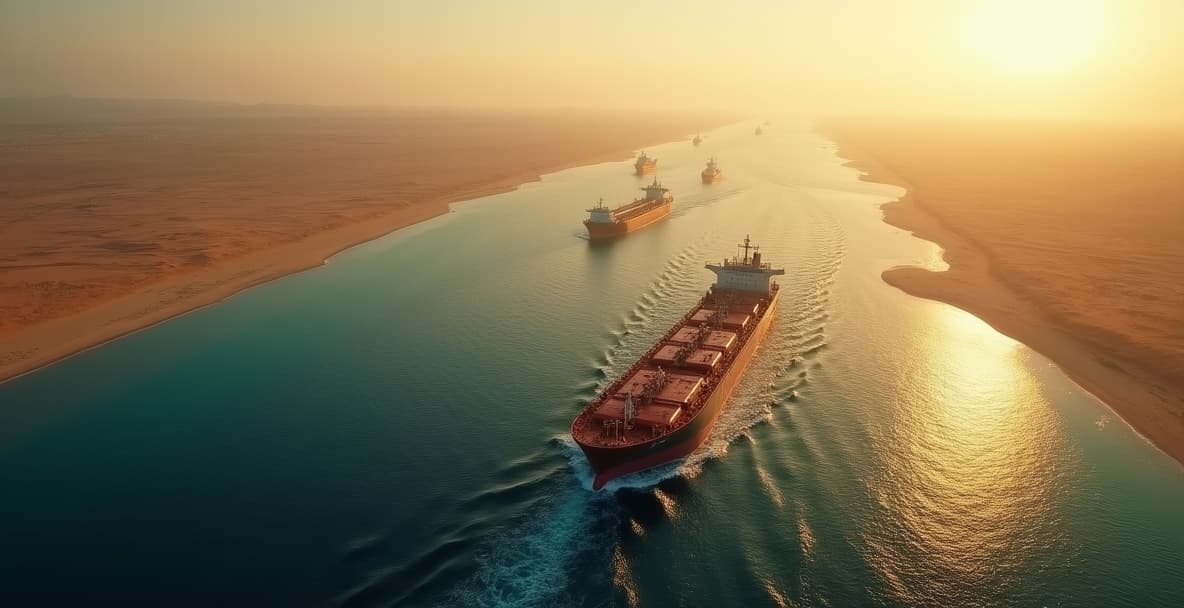
Strait of Hormuz as Critical Choke Point for Energy Supply
The Strait of Hormuz is a strait between the Persian Gulf and the Gulf of Oman through which approximately one-third of the world's sea-transported crude oil flows. Iran sits directly next to the United Arab Emirates and Saudi Arabia, which control a large share of global oil and gas production. Japanese trading house Itochu confirmed "some impacts" on its supplies of crude oil and oil products from the Gulf region and warned: "With retaliatory measures that could develop into attacks on oil tankers in the Strait of Hormuz, the threat to oil supply is considerable."
Prices Correct Following Diplomatic Signals
After the initial market shocks, oil prices already corrected. Brent most recently traded at 78.05 dollars (approximately 7.5 percent above the Friday level before the escalation), WTI at 71.52 dollars. Negotiations in March 2026 led to a further decline below 100 dollars, reducing the risk of a long-term supply shortage. Nevertheless, the situation remains volatile – investors continue to price in elevated supply risk.
Noticeable Impact at German Gas Stations
The oil price surges are already being passed on to consumer prices. On the Sunday average (02.03.2026), a liter of Super E10 already cost 1.6 cents more than on Friday before the attacks, diesel rose by 1.3 cents. Over the entire span from Friday to Monday (10:30 AM comparison), E10 showed a gain of 5 cents and diesel 5.2 cents. Christian Laberer, ADAC fuel market expert, feared further increases should the blockade persist.
Natural Gas Wholesale Prices Double
In addition to oil, the European natural gas market also came under pressure. The wholesale price for natural gas in Europe doubled overnight. IEA Chief Fatih Birol, according to FAZ, spoke of the "greatest threat to energy security in human history." Despite the expansion of renewable energies – electric heat pumps, electric vehicles, wind turbines, and solar boom on house roofs – Europe remains dependent on fossil fuels.
What the Escalation Means for Investors
The current situation shows how strongly geopolitical risks impact commodity markets. Investors should keep several factors in mind:
- Volatility: Oil prices react extremely sensitively to news from the region. Daily prices can swing more than ten percent.
- Inflation Pressure: Rising energy prices burden consumers and companies. Central banks could adjust their monetary policy if energy costs remain permanently elevated.
- Diversification: Dependence on fossil fuels remains high. Investments in energy security and alternative supply routes could benefit.
- Diplomacy as Price Factor: The quick correction following negotiations shows that not only supply and demand, but also political developments drive prices.
Historical Context: Comparison with Previous Oil Crises
An oil price crisis refers to a period of sharp oil price increases with serious macroeconomic consequences. In the strict sense, the crude oil price increases of 1973 and 1979/1980 are considered the first and second oil crises, which led to recessions in industrialized countries. The current situation has not yet reached the dramatic price increases of earlier crises, but it shows the ongoing vulnerability of global energy supply.
Outlook: Energy Crisis as a Persistent Problem for Germany
For Germany, energy security is increasingly becoming a structural problem. Despite the accelerated expansion of renewable energies, dependence on oil and gas imports remains high. The current escalation in the Middle East highlights the risks of this dependence. Should the Strait of Hormuz remain blocked for the longer term or further escalations occur, prices could rise again and increase inflationary pressure in the eurozone.
Investors therefore monitor not only the military situation but also the strategic oil reserves of industrialized countries and potential production increases from other producing nations such as the USA or Norway. These could offset some of the shortfalls if the blockade persists.