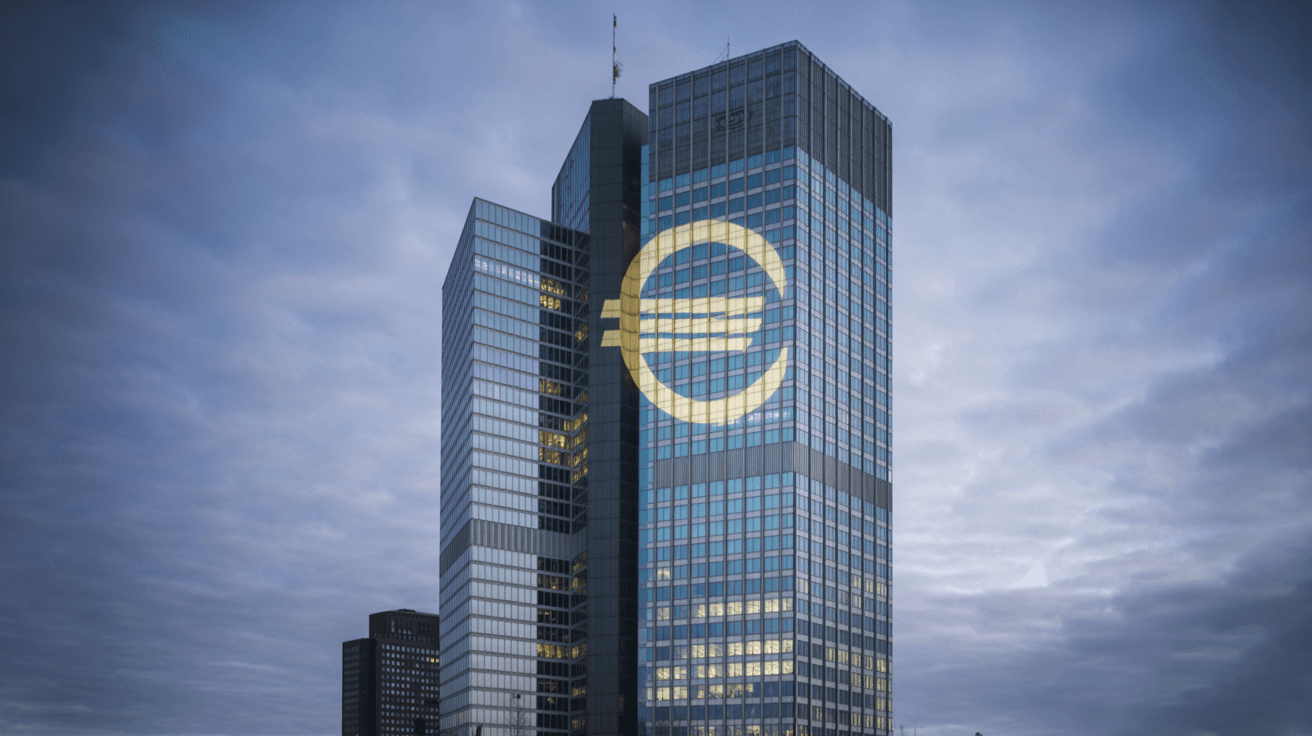
Interest Rate Environment in Europe
This article was created with the help of artificial intelligence.
Key Takeaways
- The ECB main refinancing rate has remained unchanged at 2.15 percent since July 2025, the deposit rate at 2.0 percent
- US interest rates are more than twice as high as those in the eurozone (as of April 2026)
- Analysts expect sustained interest rate stability in the eurozone for 2026 at around 2.0 percent deposit rate
- Current fixed-term deposit offers in the eurozone sometimes exceed 2.5 percent per year
- Metzler Capital Markets forecasts a narrowing of interest rate and growth differentials between the US and eurozone over the course of 2026
The European Central Bank (ECB) has kept the main refinancing rate at 2.15 percent since July 2025, as shown in the monetary policy decision of 11 September 2025. The deposit rate relevant to savers currently stands at 2.0 percent (as of April 2026). Following significant rate increases in 2022 and 2023, the central bank has left its monetary policy unchanged for approximately nine months.
Stable interest rate level expected
Interest rate developments in the eurozone are primarily determined by the ECB and bond markets. Analysts broadly expect the deposit rate level of around 2.0 percent to become permanently established over the course of 2026. This level is considered a neutral interest rate environment, where monetary policy is neither stimulating nor restrictive.
For investors, interest rate stability means predictability: fixed-term deposit offers currently sometimes exceed 2.5 percent per year. Locking in favorable terms early provides stability in an environment that has calmed down but continues to be shaped by market expectations.
Interest rate gap between Europe and the United States
There is a marked difference between the benchmark rates in the United States and the eurozone: US interest rates are currently more than twice as high as those in Europe. This monetary policy gap between the US Federal Reserve and the ECB has significant impacts on capital markets, currency developments, and investment decisions.
Currency fluctuations substantially influence returns from cross-border investments. A euro appreciation reduces gains from dollar investments for European investors, while depreciation amplifies returns. The interest rate differential has put pressure on the euro in recent months, as higher US rates make the dollar more attractive.
Convergence of monetary policies possible
Metzler Capital Markets expects economic growth in Germany for 2026 coupled with a slowdown in the United States. Narrowing interest rate and growth differentials between the eurozone and the United States could support the common currency and reduce current valuation differences in equity markets.
Future interest rate developments depend on inflation dynamics and economic development in the eurozone. As long as inflation remains under control and the economy recovers moderately, the ECB is likely to maintain its wait-and-see approach. For savers and investors in the DACH region, this means a medium-term predictable interest rate environment without major surprises.