E.ON SE: Energy Group Focuses on Grid Expansion and Energy Transition Strategy
This article was created with the help of artificial intelligence.
Key Takeaways
- E.ON SE primarily operates energy grids in Germany, Sweden, Czech Republic, Hungary and other European markets following a strategic realignment, supplying around 50 million customers with electricity and gas.
- The company divested conventional power generation, which was spun off into Uniper, and in turn took over RWE's grid and retail business.
- E.ON invests in electricity grid expansion and modernization as well as charging infrastructure for electric vehicles, Smart Meters and decentralized energy solutions.
- E.ON shares are traded on the DAX and are traditionally regarded as a dividend stock, with a business model based on regulated grid fees and long-term customer relationships.
- The Federal Network Agency determines the grid fees that E.ON can charge for using its infrastructure in Germany, meaning changes in the regulatory framework can impact earnings.
E.ON SE is a German energy company headquartered in Essen that ranks among Europe's largest energy suppliers by market capitalization. Following a strategic realignment, the company primarily operates energy grids in Germany, Sweden, Czech Republic, Hungary and other European markets, supplying around 50 million customers with electricity and gas.
Strategic Realignment Towards Grid Business
E.ON has undergone a fundamental restructuring of its business operations in recent years. The company divested itself of conventional power generation and has since focused on two core areas: the operation of energy grids and customer-oriented energy solutions. Electricity production from coal, gas and nuclear power was spun off into the separate company Uniper, while E.ON in turn took over RWE's grid and retail business.
This strategic reorientation makes E.ON a pure infrastructure and service provider in the energy sector. The business model is based on regulated grid fees and long-term customer relationships, which is intended to provide more stable earnings streams than the volatile generation business.
Role in the Energy Transition
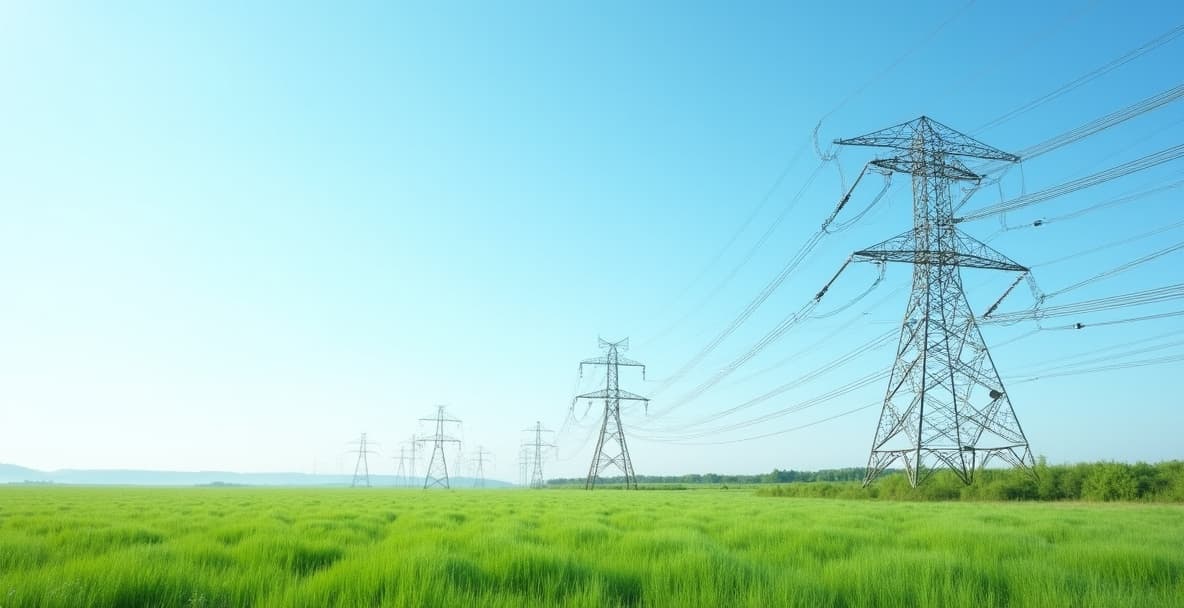
E.ON positions itself as an infrastructure partner in the energy transition. The group invests in the expansion and modernization of electricity grids necessary for the integration of renewable energies and the electrification of transport and heating. An energy grid is the physical infrastructure of lines, substations and control systems that transports electrical energy from producers to consumers.
Strategic priorities include building charging infrastructure for electric vehicles, intelligent metering systems (Smart Meters) and decentralized energy solutions such as photovoltaic systems for private and business customers. The group wants to benefit from rising electricity demand through electromobility and heat pumps.
Significance for DACH Investors
The E.ON share (ISIN: DE000ENAG999, ticker: EOAN) is traded on the DAX and is traditionally regarded as a dividend stock. Investors in the German-speaking region often value the share for its dividend policy and its position in the regulated grid business, which is considered less cyclical than other sectors.
However, the business model is subject to state regulation: the Federal Network Agency determines the grid fees that E.ON can charge for the use of its infrastructure in Germany. Changes in the regulatory framework can affect earnings. Furthermore, the company remains dependent on energy policy decisions at European and national levels.
Market Environment and Competition
E.ON operates in a market environment characterized by political decarbonization mandates, rising investment requirements for grid infrastructure, and increasing decentralization of energy generation. Direct competitors in the German market include RWE, which after its transaction with E.ON focuses on renewable energy generation.
In European markets, E.ON competes with national energy suppliers and grid operators such as Enel in Italy, Iberdrola in Spain, or Vattenfall in Scandinavia. Regulatory frameworks and market structures differ significantly from country to country.
Challenges and Outlook
The group faces the challenge of financing substantial investments in grid expansion while meeting shareholder dividend expectations. Digitalization of grid infrastructure and the integration of volatile renewable energies require additional technical and financial resources.
For investors in the DACH region, E.ON remains a position at the intersection of regulated infrastructure business with predictable earnings and the uncertainties of the energy transition. Long-term value development depends substantially on how successfully the group manages the transformation of energy supply technically and economically.