Amazon Tax UK: Higher Warehouse Tax Since April 2026
This article was created with the help of artificial intelligence.
Key Takeaways
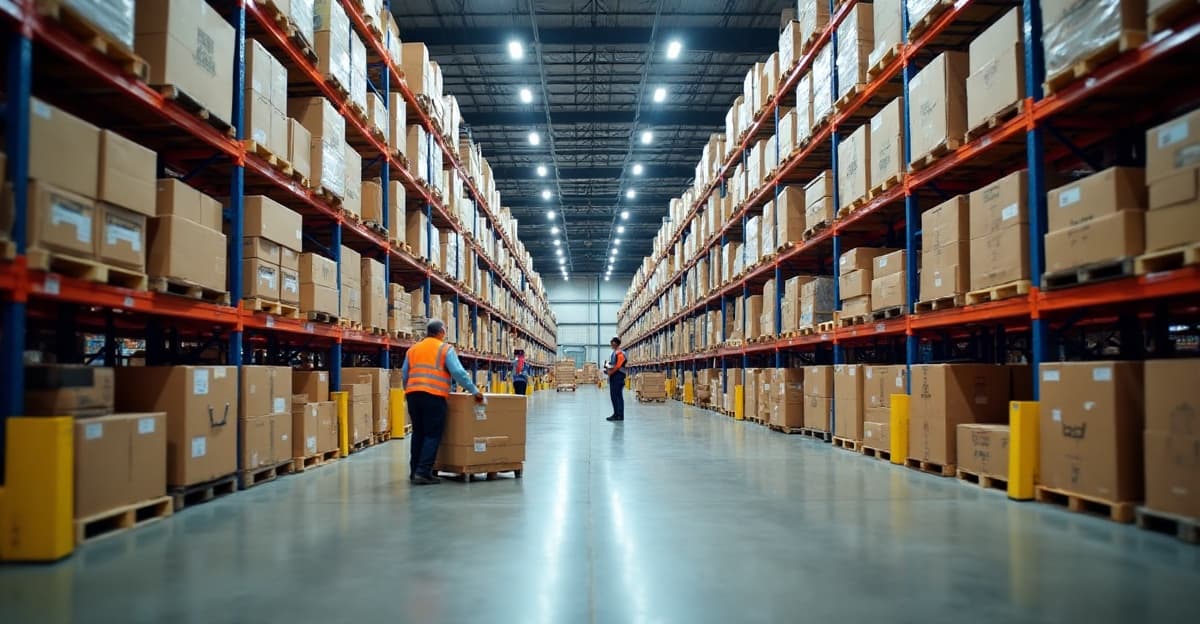
- The UK has been taxing large distribution warehouses of online retailers such as Amazon at a higher rate since April 2026 using a separate business rates multiplier to help physical retail through lower rates.
- Chancellor John Healey will present the Autumn Budget on Wednesday, 28 October 2026; further business rates reform is expected in it.
- The abolition of the customs exemption for imports up to £135 was confirmed on 13 July 2026 but does not come into force until no later than October 2028.
- Digital platforms such as Amazon, eBay and Etsy must report seller data to HMRC since January 2024 when these reach £1,700 turnover or at least 30 sales per year.
- Amazon made changes to VAT calculation in June 2026 that require adjustments in the accounting of online retailers.
The UK has imposed higher business rates on large distribution warehouses used by online retailers such as Amazon since April 2026. This is based on a separate, higher business rates multiplier for commercial properties with a Rateable Value of £500,000 or above; it was announced in the Autumn Budget 2024 by then Chancellor Rachel Reeves and is intended to benefit smaller retail businesses through lower rates. At the Autumn Budget on 28 October 2026, the focus will be on further business rates reform.
Budget Speech on 28 October 2026
Chancellor John Healey MP will present the Autumn Budget on Wednesday, 28 October 2026. The Office for Budget Responsibility will simultaneously publish an accompanying report. The timing falls around four weeks before Black Friday, in the middle of the period when online retailers have already planned inventory, advertising budgets and seasonal staff.
The tax increase on warehouses that has applied since April 2026 is part of a broader strategy to redistribute the tax burden between online retail and physical retail. Smaller shops in city centres traditionally pay higher business rates per square metre than large logistics centres outside towns, which puts physical retail at a structural disadvantage.
Further Tax Reforms for Online Sellers
In addition to the warehouse tax, further changes are planned. The abolition of the customs exemption for low-value imports up to £135 has been decided, but is not yet in force: the government confirmed the suspension on 13 July 2026; it is to be implemented by no later than October 2028, together with a new mandatory customs procedure for low-value shipments. The regulation primarily affects cheap goods from abroad that have previously entered the country without customs duties.
The Treasury is also planning a consultation on VAT liability for marketplace sales by UK businesses. This reform could potentially change payouts to sellers, but details are still pending.
Data Reporting Obligations Already in Force
Since 1 January 2024, digital platforms such as eBay, Etsy, Vinted, Amazon and Airbnb must report seller data to the UK tax authority HMRC. The reporting obligation applies when sellers reach a turnover of approximately £1,700 (around €2,000) or at least 30 sales in a calendar year. Data for 2025 was submitted to HMRC by 31 January 2026; sellers received a copy.
The measure aims to make tax evasion in online retail more difficult. HMRC can now systematically check whether sellers are correctly declaring their income.
Amazon-Specific Adjustments
Amazon itself made changes to VAT calculation in June 2026 that require adjustments in the accounting of online retailers. The changes affect the way the platform calculates and reports VAT on transactions.
For Amazon FBA sellers (Fulfillment by Amazon) – a model in which Amazon handles storage, shipping and customer service – special income tax obligations apply to all profits from online retail. The UK VAT system has three rates: 20 per cent standard rate, 5 per cent reduced rate and 0 per cent zero rate.
Planning for 2027 Recommended
Tax advisers recommend that online sellers do not wait for the Budget speech to plan the fourth quarter of 2026. Most rate changes apply from the beginning of the tax year, not from the announcement date. The practical focus should be on planning for 2027, as Budget decisions primarily affect the coming tax year.
For merchants exporting via Amazon EFN (European Fulfillment Network), uncertainties may arise regarding value thresholds and customs responsibilities. Amazon sometimes rejects the merchant's tax obligation and states that the customer, as the importer, bears customs responsibility.
Sources
- Autumn Budget 2026 for Online Sellers: What to Check
- UK to Hike Taxes on Amazon, Online Giants to Help High Street
- Online Seller Taxes UK: The Complete 2026/27 Guide | Zmartly
- Amazon ändert Umsatzsteuer-Berechnung ab Juni 2026: Was Online-Händler jetzt in der Buchhaltung anpassen müssen
- KPMG: UK government confirms repeal of low-value import relief (06.08.2026)
- Bristol City Council: Changes to business rates multipliers from 2026 (höherer Multiplikator ab 500.000 Pfund Rateable Value)