Amazon Closes $60B AI Infrastructure Financing: Microsoft and Google Face Pressure
This article was created with the help of artificial intelligence.
Key Takeaways
- Between November 2025 and September 2026, Amazon raised a total of over $60 billion through various debt instruments: a $17.5 billion credit line in June 2026, a $25 billion bond in July 2026, a £4.25 billion bond in Britain, and a $15 billion bond in November 2025.
- Amazon plans to deploy two million additional GPUs in 2027 and 2028, including NVIDIA models from the Blackwell Ultra, Rubin and Rubin Ultra series, to expand AWS infrastructure for AI workloads.
- The four major cloud providers—Amazon, Microsoft, Alphabet and Meta—issued approximately $220 billion in debt securities in the twelve months through September 2026 to finance their AI infrastructure.
- Amazon has operated with negative free cash flow since September 2026 while planning capital expenditures of roughly $220 billion for 2026, making the company dependent on external financing.
- Alphabet leads the four hyperscalers in AI-specific annual spending, followed by Amazon in second place, though Amazon has the broadest investment base encompassing AI alongside logistics, robotics and manufacturing.
In June 2026, Amazon completed a $17.5 billion credit line with a banking consortium to further expand its AI infrastructure. The credit facility allows the company to draw funds as needed and flexibly time capital raising to match actual infrastructure rollout. In July 2026, a $25 billion bond issuance followed, which CEO Andy Jassy described as the company's last debt financing for 2026.
These two financing rounds mark the conclusion of a comprehensive capital strategy Amazon has pursued since November 2025. At that time, the company had already issued a $15 billion bond to strengthen AWS and AI infrastructure. Adding to this in 2026 was a pound-denominated bond worth £4.25 billion, which for the first time tapped the British bond market for this purpose. In total, Amazon has mobilized over $60 billion in debt capital in less than a year.
Two Million GPUs by 2028: AWS Ramps Up Massively
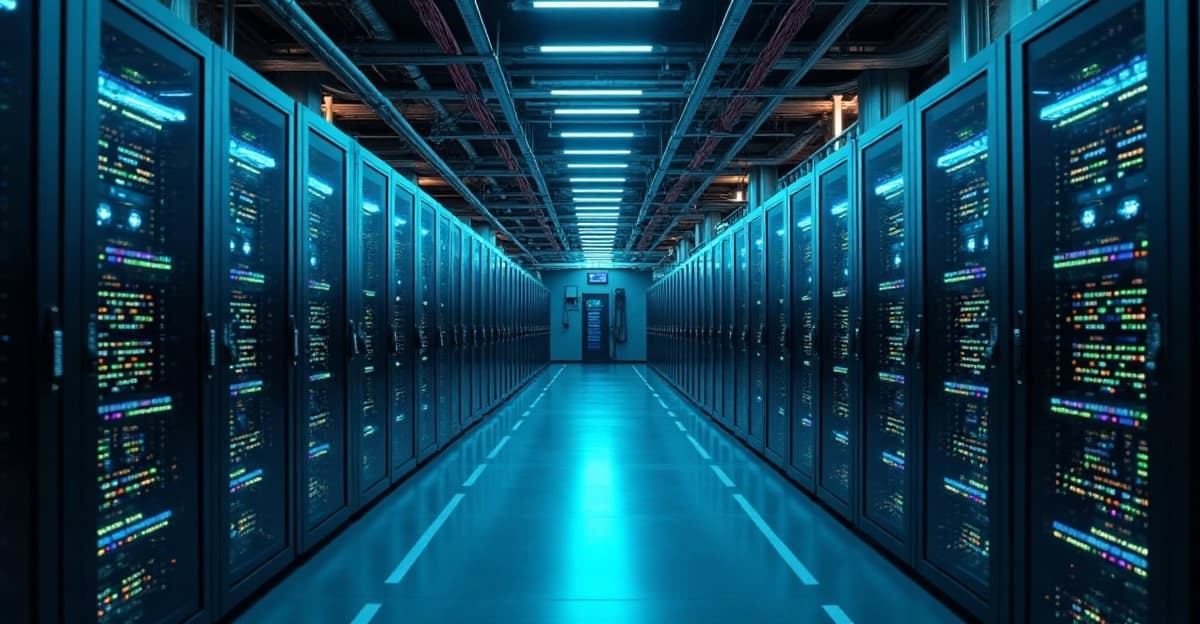
The capital raised flows directly into expanding AWS cloud infrastructure. Amazon plans to install two million additional GPUs in 2027 and 2028 to serve AI workloads. The partnership with NVIDIA will be expanded: Blackwell Ultra, Rubin and Rubin Ultra GPUs will be rolled out gradually over the coming two years. Already for 2026, Amazon had planned around one million GPUs.
AI workloads place fundamentally different demands on data centers than traditional cloud services. They require specialized AI processors (GPUs or accelerators), enhanced cooling systems and significantly higher power capacity. These technical specifics drive both capital intensity and time pressure at AWS to rapidly provision capacity.
Amazon raised its capital expenditures for 2026 to around $220 billion as of September. This amount covers not only AI and cloud infrastructure but also logistics and manufacturing, such as a $100 million advanced manufacturing facility in Indiana. In parallel, Amazon has posted negative free cash flow since September 2026, underscoring its dependence on capital markets.
$220 Billion in Cloud Sector Debt: Race for Capacity
Amazon is not alone in its financing strategy. The four major hyperscalers—Amazon, Microsoft, Alphabet and Meta—issued approximately $220 billion in debt securities in the twelve months through September 2026. The total planned spending by the four companies for the current period is around $725 billion (using midpoints of ranges) according to analysts, roughly double the spending in the previous completed fiscal year. The transition from high technology budgets to industrial-scale infrastructure buildout has been completed.
Alphabet currently leads in AI-specific annual spending, with management stating that roughly 60 percent of funds flow to servers and 40 percent to data centers and network equipment. In the second quarter of 2026, Alphabet reported $44.9 billion in capital expenditures. Amazon ranks second in narrowly defined AI infrastructure spending but leads in infrastructure deployed in the last completed fiscal year and most recent reporting quarter.
Microsoft's current annual spending is roughly five percent below Alphabet's midpoint. Approximately two-thirds of recent quarterly investments went to chips and shorter-lived equipment. For fiscal year 2025, Microsoft committed to roughly $80 billion for AI-capable data centers. Meta has the lowest absolute spending of the four companies but proportionally commits most heavily to AI: planned investments represent roughly two-thirds of annual revenue, a ratio Microsoft also shows.
Which Cloud Providers Face Pressure
AWS defends its leadership in traditional cloud business but faces the fiercest competition in the AI segment. This area grows fastest and is most capital intensive. The risk lies in insufficient data center capacity driving customers to competitors offering guaranteed AI project availability. Competition centers not on developing proprietary language models but on compute power to serve enterprise customers at scale.
Smaller cloud providers lacking comparable capital market access face structural pressure from hyperscaler investment offensives. Hardware partners and data center suppliers, however, benefit from sustained capital deployment: providers of AI accelerators, network equipment and power infrastructure see stable demand. Simultaneously, consolidation risk rises among providers unable to keep pace.
Revenue Growth and Return Questions
In the second quarter of 2026, Amazon achieved total revenue of $200.6 billion, up 20 percent from the prior-year quarter. These figures demonstrate fundamental business strength despite high capital spending. However, investors increasingly focus on whether infrastructure investments translate into revenue and earnings growth justifying capital intensity. AWS must show that revenue and operating profit rise in line with GPU capacity expansion.
The debt strategy faces scrutiny: Amazon and other hyperscalers have issued substantial debt securities in a short timeframe, which capital markets must absorb. Rising financing costs could make future capital rounds more expensive. Add operational challenges such as pressure on retail margins, changing consumer spending and rising hardware prices. These factors demand precise execution with little room for error should demand weaken.
Amazon's combination of bond markets and traditional bank financing reflects both unprecedented capital needs and management's confidence in AI-driven revenue growth. Credit lines provide flexibility through optionality: Amazon pays commitment fees but draws funds only as needed. This structure lets AWS expand data center capacity for AI services without burdening operating cash flow and supports competitive position in the "AI arms race" against Microsoft and Google.